A new word or phrase from the Hans Wehr dictionary, every Wednesday.

Learning Arabic, one page at a time
A new word or phrase from the Hans Wehr dictionary, every Wednesday.

وِدّ
root: و-د-د / noun / definition: love, wish, desire
Every weekend, my other half hears the same two words from me: بِدّي برغر (I want a burger).
I can’t help my weekly craving for a juicy burger, and I think it started when I began travelling abroad regularly a few years back. Sure, I’d sample the local cuisine most of the trip. But—on at least one occasion—I’d want to try what that country had to offer in terms of burgers.
Sometimes, failing to find halal options, I’d seek out a vegetarian burger instead—and felt satisfied all the same. (And I still dream about the surprisingly exquisite burger I ate in Doha’s MIA Café. So so good…)
Oh, but yes: I wanted to talk about the first part of my oft-repeated phrase: بِدّي.
Continue reading “The Levantine بِدّي and a Weekly Request”A new word or phrase from the Hans Wehr dictionary, every Wednesday.

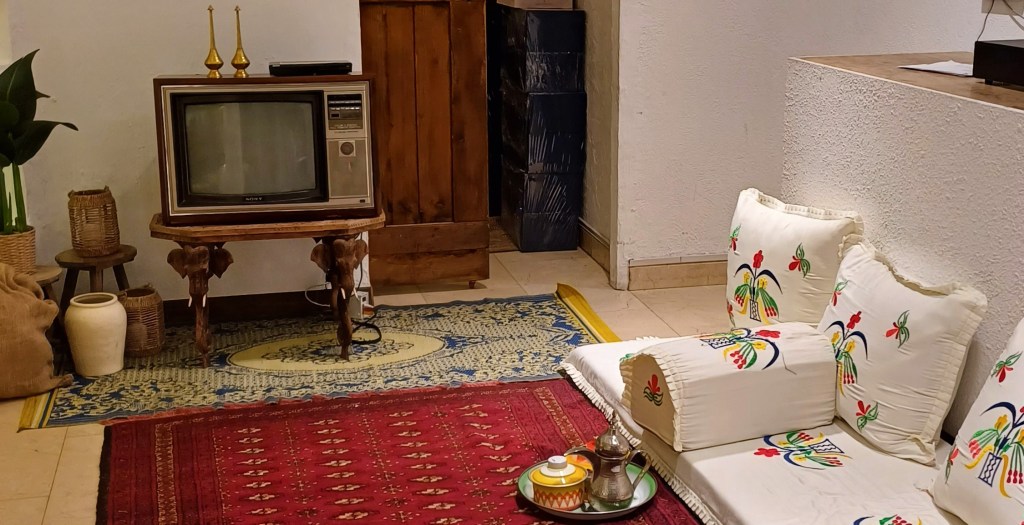
مِسْكين
root: م-س-ك-ن / noun / plural: مَساكين / definition: poor thing
If you know me in-person, you’ve probably been fortunate enough to be an unwilling spectator and/or listener to my gleeful blabbering about some dictionary find or linguistic observation.
This weekend, my husband—yet again, مسكين…—was in the line of fire as I gushed about three little Arabic nouns I’d found in the dictionary.
Apparently my face lights up, eyes growing wide and spilling over with joy, when I talk about language. So keep that image in mind and prepare to be dazzled by (or, at least, to react with a mildly-interested hm to) my latest lexical discovery.
Continue reading “Dictionary Finds: Zaʿtar, Saʿtar, and Ṣaʿtar”A new word or phrase from the Hans Wehr dictionary, every Wednesday.
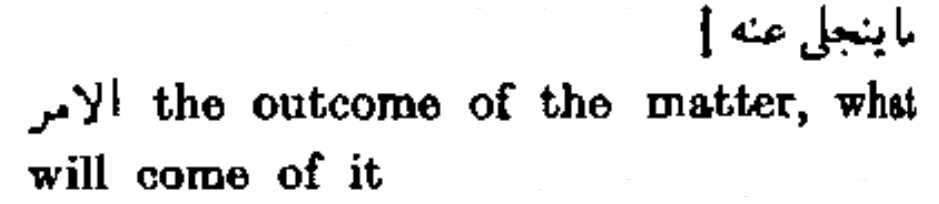
اِصْطِناعي
root: ص-ن-ع / nisba adjective / definition: artificial
Since the rise of the AI search, the number of views my blog gets has tripped and faltered.
It makes sense. Sometimes I myself type a grammar question into Google and—lo and behold—the AI overview summarises an answer (from none other than The Arabic Pages, the product of my own hands) that makes scrolling down and clicking on the actual website link one click too many.
I say this, not out of bitterness, but out of a mix of wonder and slight anxiety. How amazing is it that my content immediately presents itself as an answer to someone’s search. But, then: how much is lost without the anecdotes, thoughtfully-selected wording, and obviously brilliant humour I weave into my posts?!
Will convenience prevail over the human touch? Will “artificial” become synonymous—and not just collocated—with “intelligence”?
Continue reading “Fifteen Form XII Verbs in the Arabic Dictionary”A new word or phrase from the Hans Wehr dictionary, every Wednesday.
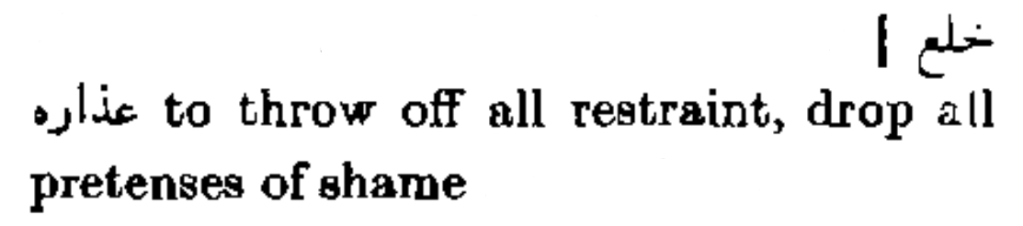
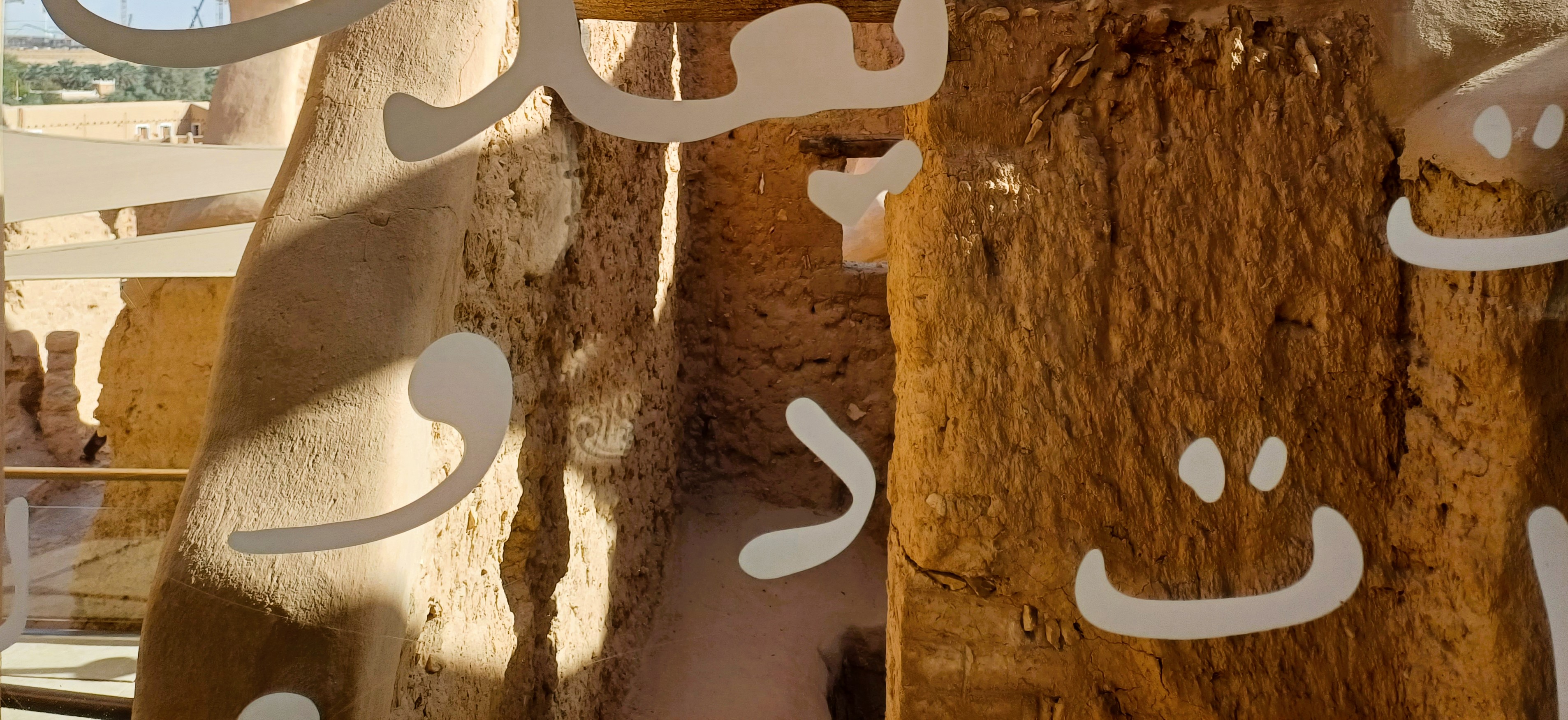
وَبَر
root: و-ب-ر / noun / plural: أَوْبار / definition: the fur of camels and goats
Throughout my twenties, I’ve carried a sort of sign-up-and-see-what-happens attitude.
I’ll sign up to lead a workshop or run a marathon or join a summer school abroad, etcetera, and then just follow the path of fate.
Sometimes, though, I run into little problems. Like how I offered to speak at an academic roundtable a while back and—now that my name is actually on the program—I’ve completely forgotten what the topic of the conversation is meant to be.
I can’t find the sign up link or poster. I didn’t save my response to the online form calling for speakers. And the program provides no details. So, how do I go about asking the organiser without sounding coo-coo?
Continue reading “Five Arabic Terms for the Bedouins”A new word or phrase from the Hans Wehr dictionary, every Wednesday.

دَجاج
root: د-ج-ج / collective noun / definition: chicken
Have you ever roasted a chicken upside down? Well I have. Twice. Well, it was one time—but two chickens.
No questions, please. This was a cathartic confession, blurted out in a fluster of shame, and no more than that.
Thank God for the antidote of blushing: distraction. And that’s why I’m launching into another post about Arabic-Akkadian roots. This time, we’re looking at these three Semitic roots which are present in both languages: ʿ-l-w, ʾ-k-l, and b-k-y.
Continue reading “Arabic-Akkadian Roots: ء-ك-ل ,ع-ل-و, and ب-ك-ي”A new word or phrase from the Hans Wehr dictionary, every Wednesday.


غَمْضة
root: غ-م-ض / noun / definition: a blink
Can you believe it’s been ten years since I enrolled in my Arabic and Linguistics bachelor’s degree?
No way! scream the imaginary crowd in my head. But yes, yes indeed.
I’d stepped into university, fresh off of A-Level stress, printed timetable in hand—and then, in just ten blinks: a graduation, launching my blog, a pandemic, enrolling in an MA, another graduation, travelling, lecturing, my PhD, marriage, a work placement…
Ten whooshes around the Sun seems about right for all of that, but I’m sure that orbit has been speeding up.
Continue reading “Around the Knot in Ten Blinks”A new word or phrase from the Hans Wehr dictionary, every Wednesday.

ذِكْرى
root: ذ-ك-ر / noun / plural: ذِكرَيات / definition: a memory
Sometimes, we spend so long immersed in thoughts of the future and memories of the past that we forget that we’re floating in the present.
I remember writing about floating, and then I think about how every all-consuming present of mine—well, all of ours—has become a past, and how every future feels like a horizon when—in fact—it’s just another present.
And with those thoughts stirred up, we tumble back into our Exploring Time series. This time, we’re meditating on the present, الحاضر.
Continue reading “Exploring Time in the Arabic Dictionary: “the Present””A new word or phrase from the Hans Wehr dictionary, every Wednesday.

شَلّال
root: ش-ل-ل / noun / plural: شَلّالات / definition: waterfall
It’s been a beautifully busy long weekend. Beach walks, waterfalls, countryside drives—oh, and still stealing some minutes here and there to upload videos to my YouTube channel.
But it’s back to my laptop now and a return to the Dictionary Finds series…
Continue reading “Dictionary Finds: مراح”A new word or phrase from the Hans Wehr dictionary, every Wednesday.
كَلام
root: ك-ل-م / noun / definition: speech
Since I stopped attending Akkadian evening classes, I’ve been feeling a little detached from this language I’d started falling in love with. And I miss learning and writing about the connections between Arabic and Akkadian—so here we are today.
I’ve previously explored some lexical similarities between the two languages, but this week I’m reflecting on Semitic roots that Arabic and Akkadian share. In particular: q-b-l, k-l-m, and m-l-k.
Continue reading “Arabic-Akkadian Roots: q-b-l, k-l-m, and m-l-k”A new word or phrase from the Hans Wehr dictionary, every Wednesday.

مُسْتَشْفى
root: ش-ف-ي / form X passive participle / plural: مُستَشفَيات / definition: hospital
Four hours is how long we spent in A&E yesterday. And it’s interesting how the brain keeps itself busy during those drawn-out periods of waiting on seemingly uncomfortable-by-design chairs.
My mind, for example, kept wandering between Subway sandwiches and the spacing of the wall decor while my eyes scanned the ECG results in my hand every now and then, as if anything new would have made its way onto the paper since I’d last checked.
I didn’t get a Subway sandwich in the end, if you were wondering. Nor did I work out why the wall decor was laid out as it was.
Continue reading “Root Exploration: ء-ر-ب” The Arabic Pages