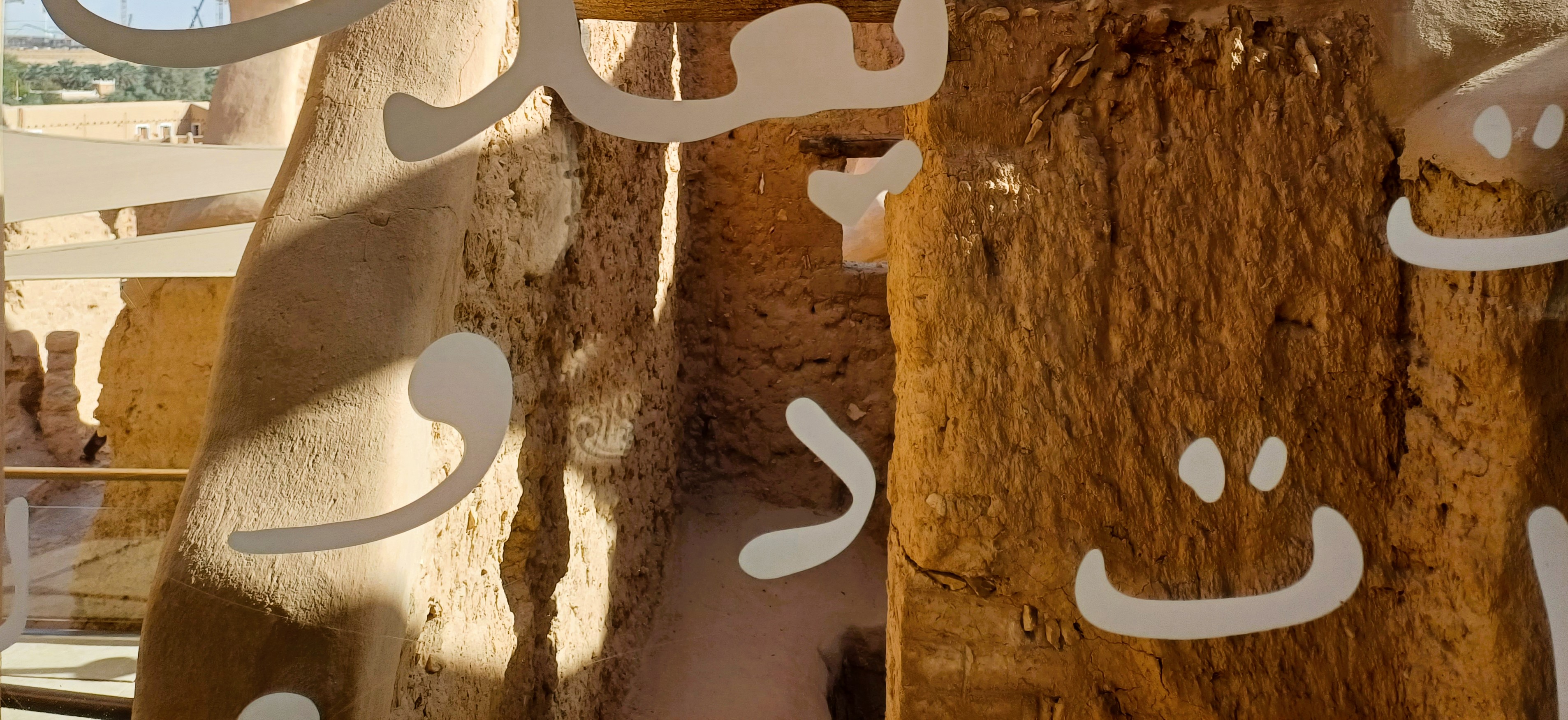
وَبَر
root: و-ب-ر / noun / plural: أَوْبار / definition: the fur of camels and goats
Throughout my twenties, I’ve carried a sort of sign-up-and-see-what-happens attitude.
I’ll sign up to lead a workshop or run a marathon or join a summer school abroad, etcetera, and then just follow the path of fate.
Sometimes, though, I run into little problems. Like how I offered to speak at an academic roundtable a while back and—now that my name is actually on the program—I’ve completely forgotten what the topic of the conversation is meant to be.
I can’t find the sign up link or poster. I didn’t save my response to the online form calling for speakers. And the program provides no details. So, how do I go about asking the organiser without sounding coo-coo?
I’ll deal with that later. Because right now, I’ve got a synonyms post to write.
This time, we’re looking at collective Arabic terms that refer to the Bedouins, the group of typically nomadic Arabs native to the region:
البَدْو
root: ب-د-و
البدو is probably the first term that comes to mind when you hear “Bedouins”.
It comes from the root ب-د-و whose core meaning revolves around appearing and manifesting.
The nouns بَيداء and بادِية under the root both mean desert or steppe. (See Uncommon Arabic Words for the Desert for more!)
From ب-د-و, we also get the form V verb, تَبَدّى / يَتَبَدّى, meaning to live in the desert, and the form VI verb, often linked to pretence, means to pose as a Bedouin, تَبادى / يَتَبادى.
الأَعْراب
root: ع-ر-ب
Next up: الأَعْراب. We can find this term for the Bedouins in the Qur’an.
And, yes, it’s from the same root as العَرَب (the Arabs). In fact, أَعْراب is just the plural form of the already-collective term عَرَب.
It’s a bit like saying the Bedouins are the really Arab Arabs. Read to the end of Plural of the Plural for more on that.
Oh, and this root—like the first one—also relates to clarity and being manifest. Maybe its form IV verb rings a bell: أَعرَبَ / يُعرِبُ, to state clearly or make something known.
أَهْل الوَبَر
root: و-ب-ر
This idaafa (possessive construction) phrase, أهل الوبر, literally translates as the people of the fur of goats and camels—a reference to the materials used for Bedouin tents.
It sits as an antonym to أهل المَدَر, the people of clay and mud—i.e. the settled people who live in houses made of these materials.
You might find them together, أهل الوبر والمدر, to refer to both the nomadic and sedentary populations.
العَشائِر
root: ع-ش-ر
Through their shared root, العَشائِر is linked to عَشيرة (tribe), a reference to the fact Bedouins live in a tribal society.
The Hans Wehr notes that العشائر is a term for Bedouins that is typically used in the Syrian dialect. I wonder how common it is (if at all) elsewhere.
الرُحَّل
root: ر-ح-ل
And, finally, we have الرُّحَّل—which means the nomads.
We can see it appear as an adjective too (meaning nomadic) in phrases like. الأعراب الرحّل.
You might recognise this root from its other derivatives like رَحّالة (explorer) and رِحلة (trip, journey).
That’s all for this synonyms post—what type of post should I write for next week?
!مع السلامة


If you’d like to receive email notifications whenever a new post is published on The Arabic Pages, enter your email below and click “Subscribe”:
 The Arabic Pages