طَبَق
root: ط-ب-ق / noun / plural: أَطباق / definition: dish
Hearing about the sudden passing of the Syrian novelist Khaled Khalifa a few weeks ago, I was overcome by an unexpected grief.
I was still, at the time, partway through reading his novel, لا سكاكين في مطابخ هذه المدينة. I guess you feel a certain closeness to someone when you’ve connected with their words, and that’s perhaps why the news hit me so strongly.
I read some quite profound things in the novel. Universal truths. Beautiful word choices. Painful scenes. But I wanted to share today two simple words that Khalifa used on page 127 of his book that caught my eye.
In the course of mentioning foods, these two words appeared in the sentence:
يالنجي ويبرق
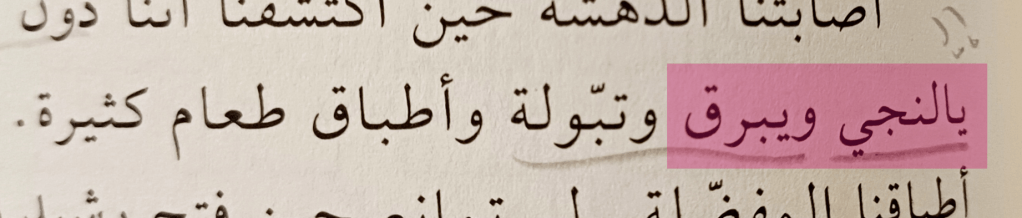
As I sounded out these unfamiliar words in my head, it clicked.
The Syrian يالنجي is the Turkish yalancı dolma. And يبرق is yaprak sarma.
Yaprak in Turkish simply means “leaf”, and it refers in the name of this dish to the vine leaves that the rice and meat mixture is wrapped in.
Yalancı, on the other hand, literally means “liar” or “pseudo-“. And that’s because the mixture used to stuff the vine leaves or other vegetables for this dish contains no meat—but is otherwise the same as the filling for yaprak sarma.
I guess I found it pretty cool seeing Turkish-sounding words in the Arabic script. It almost feels like I’ve got access to an Ottoman recipe book, or something.
Speaking of food, I’m painfully aware—as I’m sure we all are—of the unspeakable situation in Gaza, where Palestinian civilians are being denied food and water in addition to other basic human rights. Our prayers are with them.
Take care.
.في أمان الله
Follow The Arabic Pages on Instagram and Twitter, and find out how you can support this blog!
If you’d like to receive email notifications whenever a new post is published on The Arabic Pages, enter your email below and click “Subscribe”:
 The Arabic Pages